Where plate magnets work best
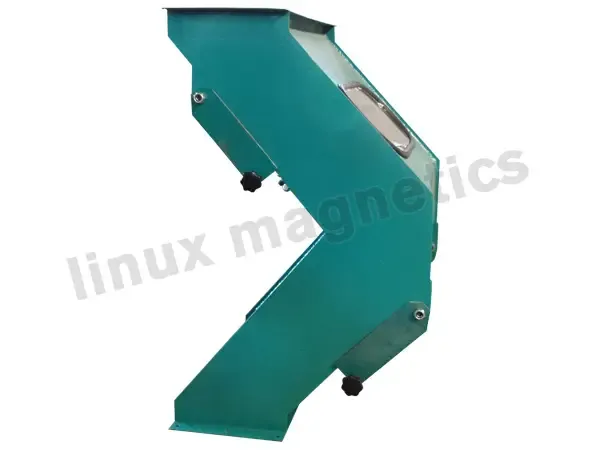
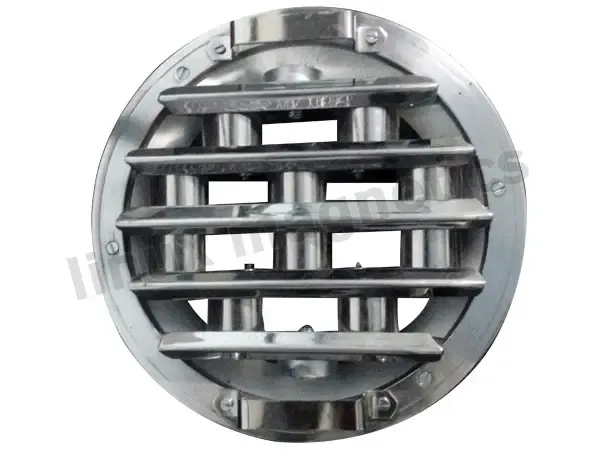
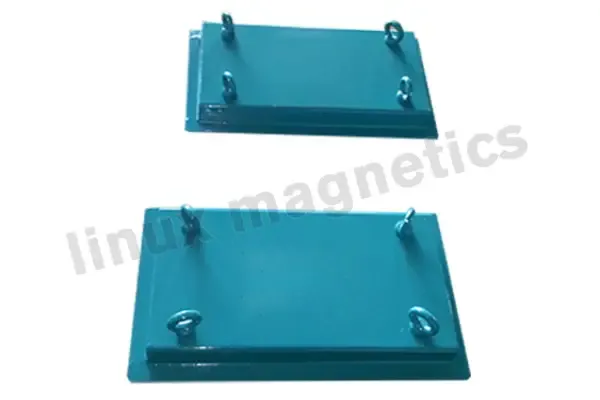
Plate magnets are best for free-flowing material moving in a thin layer: granules sliding down a chute, product dropping off a conveyor, or material in a pneumatic duct. They are less effective under deep burdens. In that case a suspended magnet or a hump magnet (two plates in a staggered housing) gives better capture.
Sizing a plate magnet
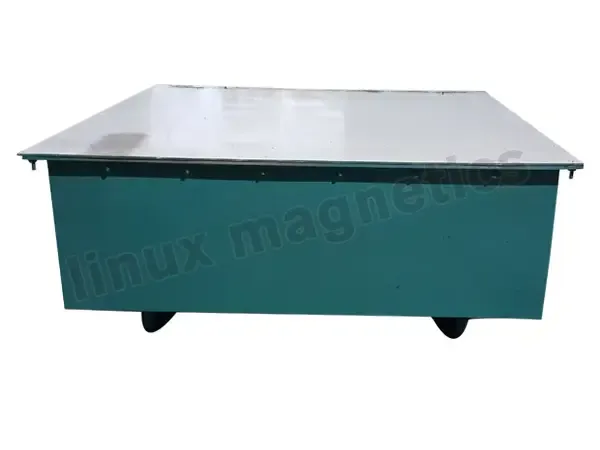
The plate face should cover the full width of the product stream, and its length determines how long the product stays in the field. The burden depth over the plate should be kept shallow, and the chute angle steady enough for an even slide. Tell us the chute width, angle, flow rate and the size of iron you need to catch, and we will specify the plate.
Cleaning
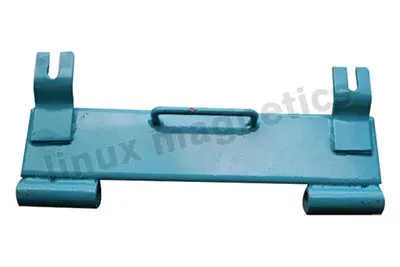
Iron collects on the face and must be removed regularly. Otherwise a build-up can be washed off by the flow. Hinged or swing-out frames let operators clean the plate without dismantling the chute.
Key features of our plate magnet
- Chute, duct and conveyor installations
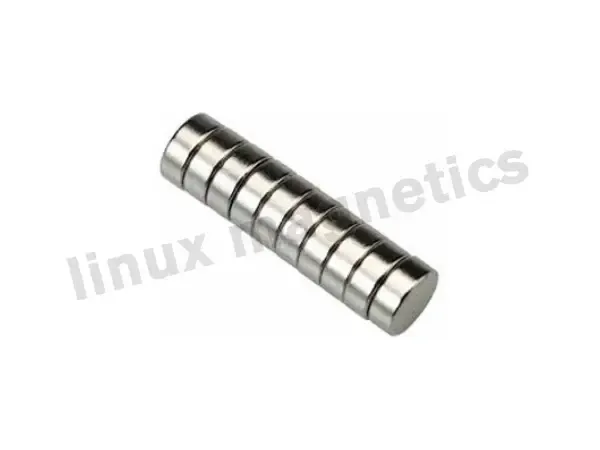
- Ferrite or rare-earth magnets
- Custom plate size
- Hinged / swing-out frames
- Low cost, no power
- Easy retrofit
Applications & industries
- Grain & food chutes
- Plastics feed lines
- Mineral and sand chutes
- Cattle feed plants
- Chemicals
- Recycling lines
Plate Magnet at a glance
| Burden | Thin layer, free-flowing |
|---|---|
| Mounting | Chute underside / duct / over conveyor |
| Magnet | Ferrite or rare-earth |
| Cleaning | Manual, hinged frames available |
Exact dimensions, capacity and magnet strength are confirmed against your application before manufacture.
Need a plate magnet for your plant?
Send your material, capacity and installation details for a quotation.
Frequently asked questions
How is a plate magnet different from a hump magnet?
A hump magnet contains two plate magnets in a staggered housing, so product strikes both plates. That improves capture in vertical or high-volume flows.
Do plate magnets need electricity?
No. They use permanent magnets.